ProductionDigital PreparationEnd customers can customize their product in the online designer, with positions and sizes that can actually be produced.OrderOrders come from shop systems via API or manually in the Merchant, and they include their production files right away.Goods receiptEach textile receives its own ID tag. From now on, Smake knows the individual pieces and their journey.PretreatmentThe terminal shows which textile side is pretreated where and in what area. This is not necessary for machines with integrated pretreatment.DTG printingThe print file and machine profile are automatically sent to the machine for each item and color.HoopingThe textile is hooped in the embroidery frame. The scan shows the design and its position.EmbroideryThe embroidery file is sent to the machine; the needle sticker shows the thread assignment.DTF printingThe designs are printed on film, even before the goods arrive.Cutting and sortingThe prints are cut out and sorted into a compartment according to the ID tag.PressesThe scan shows the compartment with the appropriate prints and the placement. This is where garment and print come together.Screen & inkScreen printing prepScreens are prepared and exposed for the designs, the colors are mixed according to the specifications and made available.Screen printingScreen, ink and design are assigned to the order. The scan shows what will be printed next.DryingThe printed textiles run through the dryer so that the color can cure safely. The scan confirms the completion.Custom production methodFor example, laser, sublimation etc.Other production methods, such as laser technology, can be integrated into the system using a dedicated station: file transfer via hotfolder, scan and confirmation.Additional instructionSew on labels, attach flyers, apply stickers, only if the order requires it.Quality controlEach item is inspected and sanitized. Nothing is sent out until all steps have been confirmed.SortingAll the items in an order are put together in one box. One box represents exactly one order.ShippingShipping labels, packing lists, and customs documents are generated automatically for DHL, UPS, and other service providers.Roll printingID tag createdThe fabric is printed on the roll before it becomes a garment. The ID tag is created with the order.CuttingQR per cut pieceThe cutter cuts the pieces according to the pattern. Each cut piece gets its own QR code.Sorting cut piecesScan per orderEach cut piece is scanned into the compartment of its order until all parts are ready for sewing.SewingQR → ID tagThe pieces are sewn into the finished product. When scanned, the QR codes of the cut pieces are assigned to the ID tag.DTF designsDesigns are prepared for printing if necessary and are sent directly to the DTF printing process.EMBROIDERYDigitalizationLogos are digitized in advance; the system generates the text automatically. The embroidery file goes directly to the embroidery machine.Image processingIf necessary, logos and images are prepared in advance. The data is sent directly to the DTG printer.SCREEN PRINTINGDesign dataDesigns are prepared for screen making if needed and then go to screen printing prep.CUSTOM PRODUCTION METHODProcess dataPrinting or engraving data are prepared if necessary, for example for the laser.MICROFACTORYMicrofactoryPrint and cutting dataThe cutting pattern is created from the measurements, and the print image is prepared for the fabric. Both go directly to roll printing and the cutter.Smake process network: Master includes all stations, digital preparation in parallel with the product, five production methods✓ Order complete · shippedPrevious StationPlay or pauseNext stopPRODUCTION METHODSoptional: further finishingas neededoptionalOptional · from Designer / OrderRequired…then the plan shows an order’s journey: from the order through digital preparation to shipping, station by station.StationshowDonein progressopenStatus in the Master ·Process networkChoose a production method aboveProduction methodsStatus in the Master's programFurtherStep 1Image dataStep 2Embroidery fileHandover checkcheckedScanMultiple production methods.One item.Embroidery on the chest, print on the back: Smake guides an item through every production method it needs, one after the other. It only goes to quality control once every step is complete.One ID tag for everythingEach station recognizes what needs to be done with this item during the scan.Matched to the orderWhich production methods an item goes through is determined by the order. Smake guides it through step by step.Control at the endOnly when all production methods are confirmed does the item go to quality control and then to shipping.Multiple locations.One system.If a production method is not available on site, the item is sent to another location via goods transfer. It is checked beforehand; after that, the next location immediately recognizes by scan what still needs to be done.Tested before continuing his journeyThe handover check ensures that only flawless goods leave the site.Goods transfer in SmakeThe transfer is carried out via the system. Each location knows what is on its way and what is arriving.One ID tag, every locationThe scan at goods receipt immediately shows which production method is still missing for this item.MASTER · A SYSTEM FOR EVERY SITUATIONPRODUCTION APRODUCTION BGoods transfer✓ CheckedScan: Embroidery is missing
Everything is connected. That's it.
Multi Production Scale
Choose a production method to start the process.
The graphic can be moved sideways.
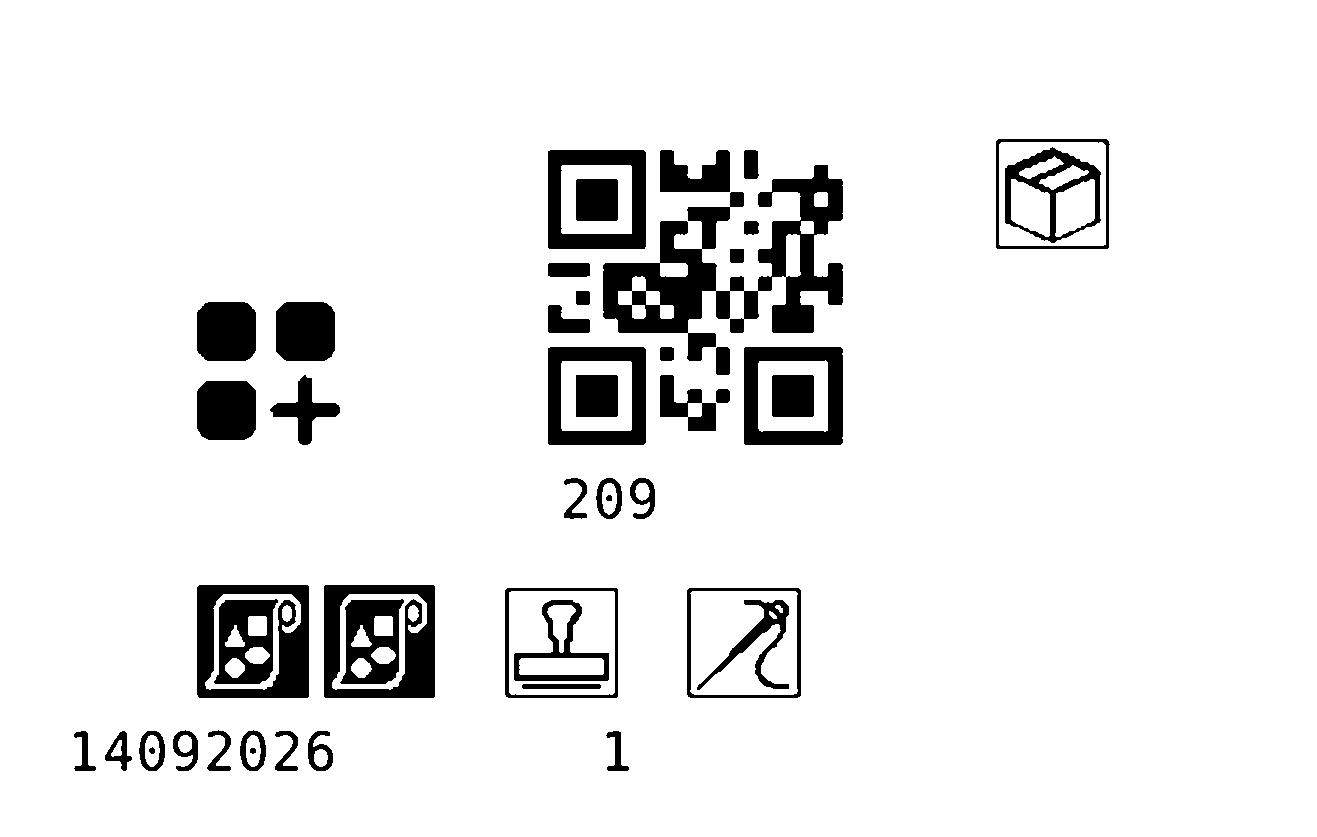
Item clearly identified
OrderImage follows
Master
Designer
Digital Preparation
Merchant
Production
Optional route
Multi Production Scale
Multiple production methods. One item.
Embroidery on the chest, print on the back: Smake guides an item through every production method it needs, one after the other. It only goes to quality control once every step is complete.
One ID tag for everythingEach station recognizes what needs to be done with this item during the scan.
Matched to the orderWhich production methods an item goes through is determined by the order. Smake guides it through step by step.
Control at the endOnly when all production methods are confirmed does the item go to quality control and then to shipping.